
ARCHIVE
How To Read the Archive
The sections below are structured to clarify how the photographic archive is formed, sustained, and understood. Rather than presenting a single narrative or chronological account, they establish four parallel sections that address different dimensions of photographic practice. Each section can be read independently, but together they provide a complete view of how the work operates across time.
These sections are not intended to be read as a sequence or hierarchy. They function as constant reference points—addressing method, circumstance, critical formation, and long-term consequence—allowing the archive to be understood without relying on biography or event-based storytelling. Individual periods, bodies of work, and editions draw from these sections as needed, without redefining them.
Read in this way, the material emphasizes continuity over moment and accumulation over isolated outcome. It allows the archive to be evaluated as a sustained photographic practice, shaped by consistent decisions and long-term conditions. The framework provides orientation, while the work itself remains the primary evidence.

Open Edition
A series extracted from the photographic archive released without edition limits. An open point of entry into the archive.
Limited Edition
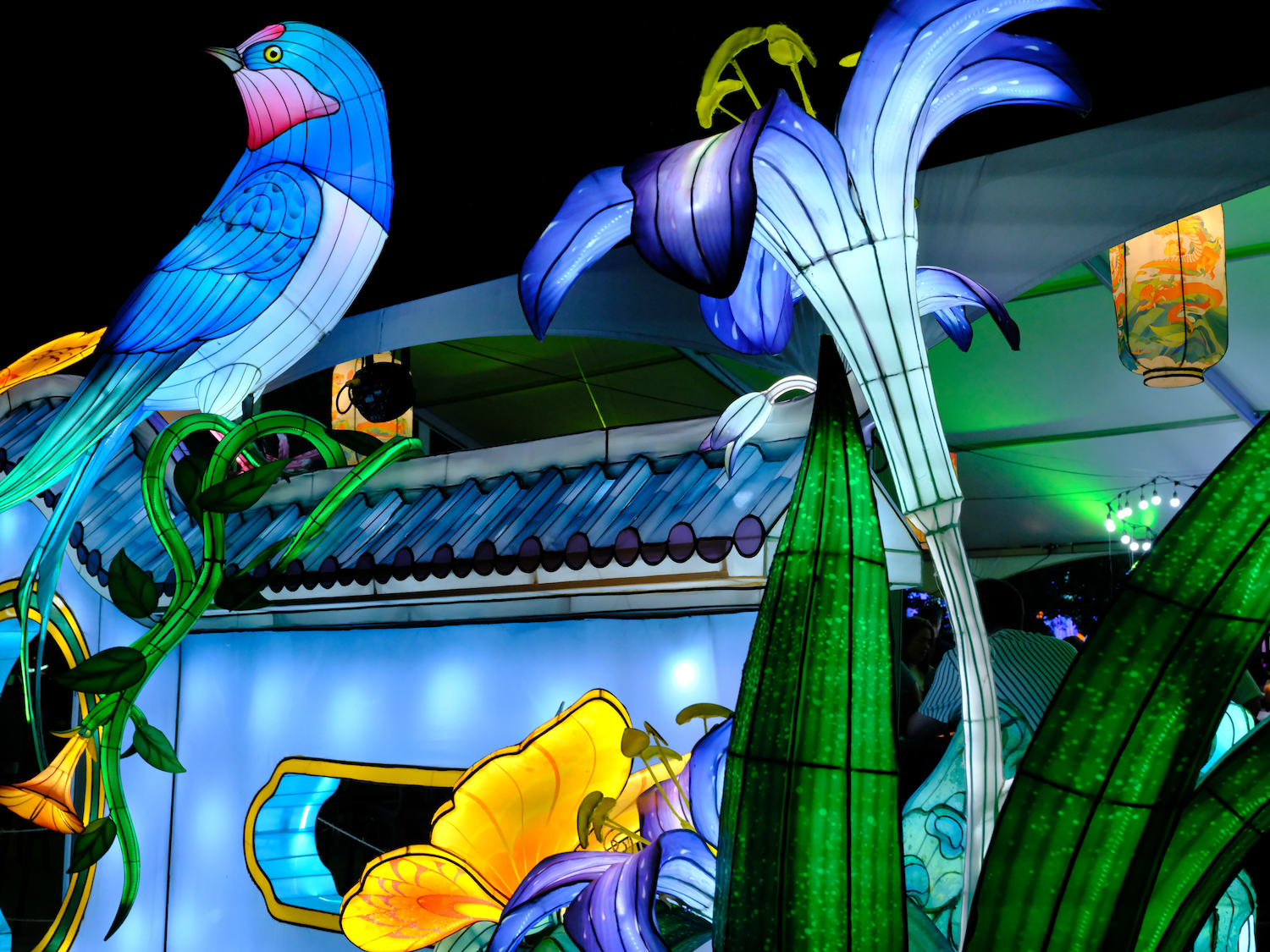
A photographic series defined by editorial selection and released in finite number. A deliberate articulation of the archive.

Luxury Edition
A body of photographic work guided by curatorial judgment and psychological intent. A singular articulation of the archive.

Open Edition
A series extracted from the photographic archive released without edition limits. An open point of entry into the archive.
Limited Edition
A photographic series defined by editorial selection and released in finite number. A deliberate articulation of the archive.

Luxury Edition
A body of photographic work guided by curatorial judgment and psychological intent. A singular articulation of the archive.